Should You Repair or Replace Your Air Conditioner?
Figuring Out Whether to Repair or Replace Your Ac Can Be a Difficult Decision. Here at Prime Ac and Heat, We Help You Make the Right Choice and You'd Be Surprised How Often the Old Unit Still Has Plenty of Life.
5-Star Reviews
Satisfaction Guaranteed
Licensed & Insured
AC Replacement Guide
Replacing an air conditioner can be a pricy endeavor. Make sure your old unit has truly waived the white flag or you're paying too much in electricity. Remember — anything can be repaired, but just like pouring money into an old car, at some point it's more financially prudent to replace it.
Replace If Your AC Is Over 15 Years
An Air Conditioner Has a Typical Lifespan of Around 10–15 Years. If Your Unit is Acting Up, Repair Bills Are Getting Costly, and It's Over 15 Years Old, It Might Be Better to Replace It.
An Ac Will Start to Break Down More Often as It Reaches 15 Years and Beyond. Did You Just Have It Serviced Last Year and It's Broken Again? Did You Add Refrigerant Last Year and Now It's Low Again? These Are the Instances Where Replacement Becomes More Viable.
Replace If Energy Bills Keep Rising
If Your Energy Bills Keep Rising but Your Utility Company Hasn't Raised Rates, It Might Be Time to Replace Your Air Conditioner.
If Your Ac Has a Low Seer Rating, It Costs More to Operate. Newly Manufactured Units Must Have a Seer Rating of at Least 14 for the Southwest Region (Texas). Upgrading Can Significantly Cut Energy Costs.
Replace If Repair Cost Is Too High
When Facing an Expensive Repair, Weigh the Costs Against a New Unit. If the Repair Would Cover a Large Part of a New System, It Will Likely Make More Financial Sense to Replace It.
Multiply the Cost of Your Repair by the Age of Your Unit (in Years). If the Result is Less Than the Cost of a New Ac, Then Invest in the Repair. If You're Unsure About Replacement Cost, Use "$4,000" as a Baseline.
Replace When Your Home Isn't Comfortable
If Your Home Struggles to Stay Cool in Summer or Some Rooms Can't Keep Up, This is a Telltale Sign of an Aging or Incorrectly Sized System.
Air Conditioners Lose Efficiency Over Time. Many Older Homes (Pre-2000) Lacked Adequate Insulation for Today's Temperatures. Modern Units Are Designed to Save Energy by Running Less Often and Are Sized Differently.
Meet the Prime AC & Heat Team
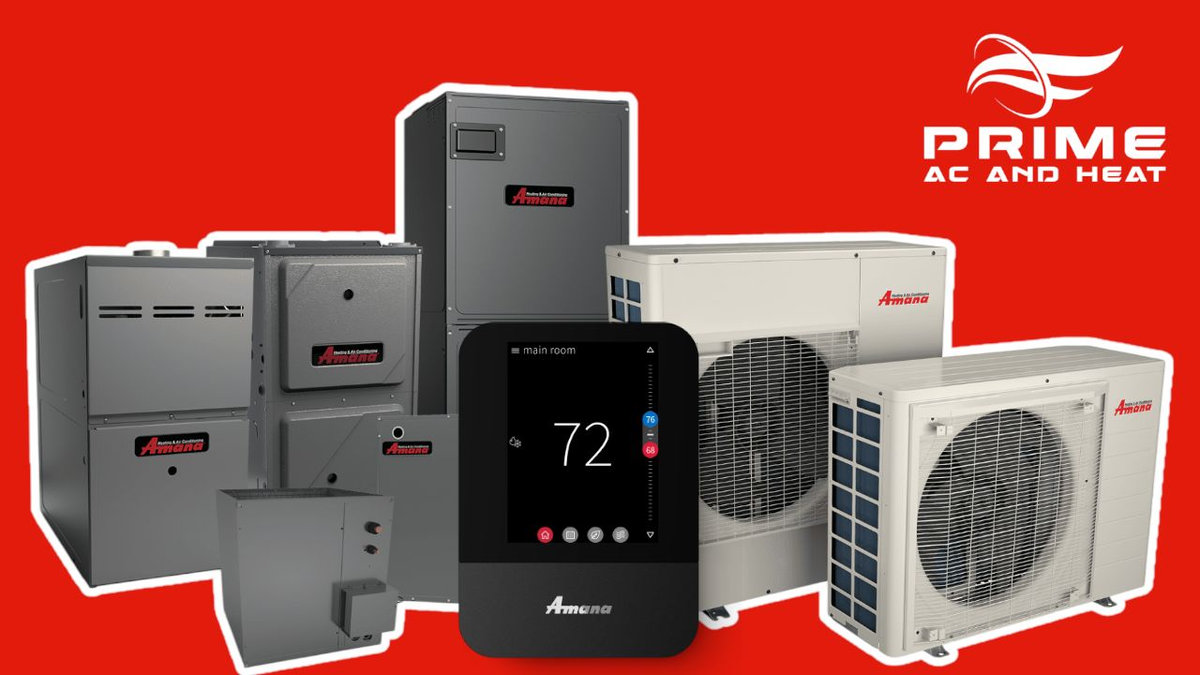
AC Brand We Trust for Your Homes
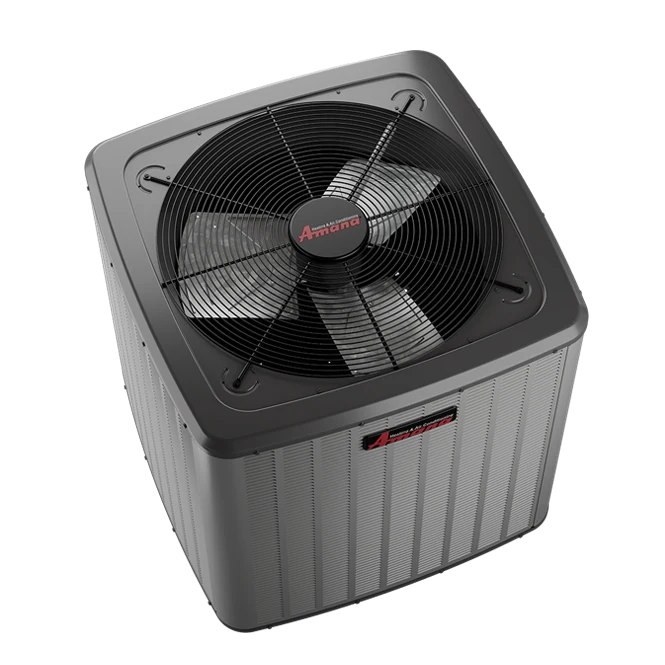
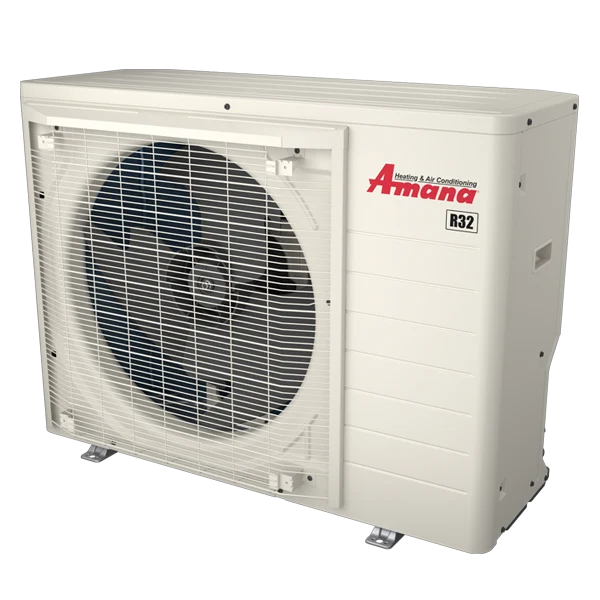
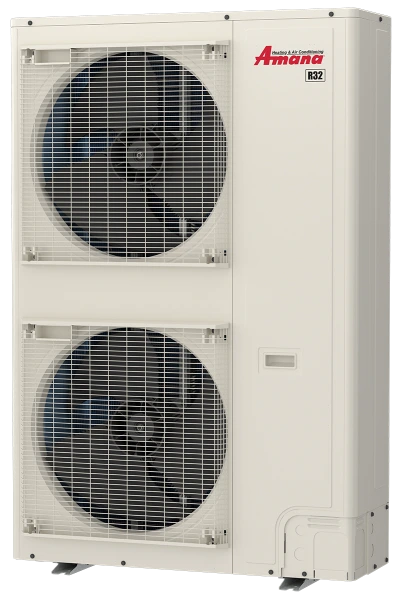
Amana S-Series
The Future of Home Comfort
True Variable Speed
Inverter technology adjusts smoothly to your home's needs instead of on/off cycling.
Precise Temperature Control
Improved Humidity Control
Lower Energy Bills
Whisper Quiet
Operates as low as 45 dBA similar to a refrigerator. Peace for you and your neighbors.
Peaceful Environment
Reduced Noise Disturbance
Compact Space-smart Design
All-Year Efficiency
Up to 19.0 SEER2 and 8.8 HSPF2. Intelligent defrost mode maximizes winter heat.
Lower Monthly Power Usage
Balanced Indoor Temps
Efficient Heating & Cooling
Advanced Control
Communicating system adjusts airflow and compressor speed for ideal comfort.
Smart Thermostat Integration
Blue Fin Corrosion Protection
Tailored Dehumidification