
Published October 9, 2026 · Prime AC & Heat
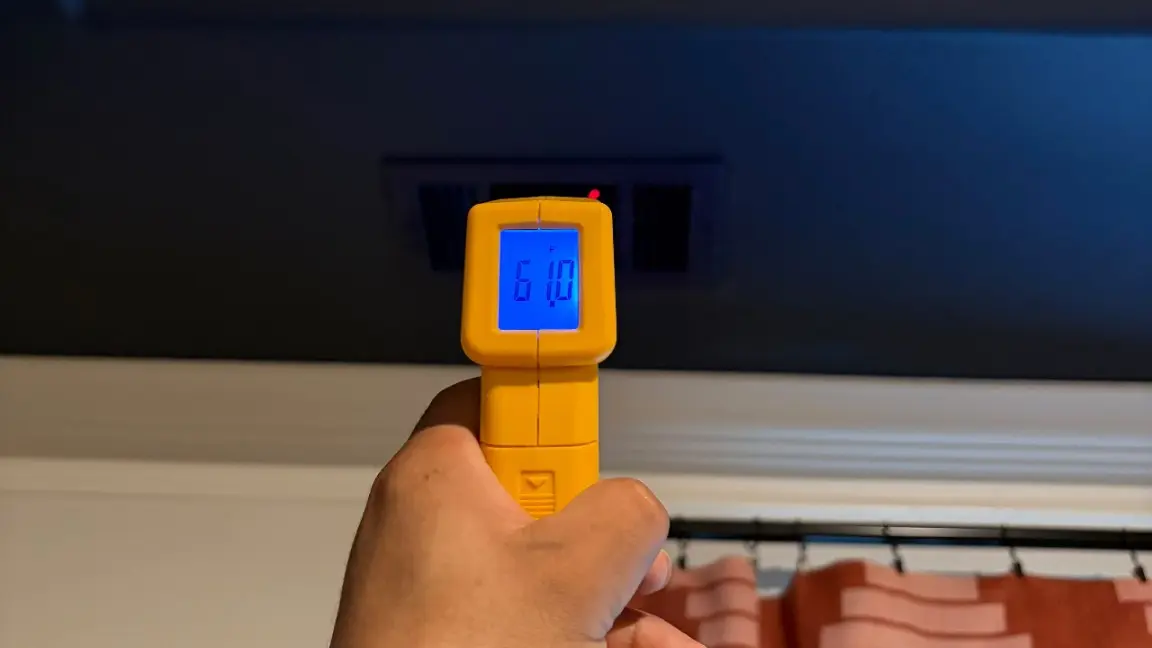
North Texas does not always switch cleanly from cooling season to heating season. A cool morning may be followed by a warm afternoon, and sun, indoor moisture and normal household activity can all add to the cooling load. That means an air conditioner running in October is not automatically a problem.
The better question is whether the system is keeping the home reasonably close to the thermostat setting without new water, electrical, airflow or comfort concerns. Here is a safe way to sort normal fall operation from a problem that deserves professional attention.
Start with the thermostat—not the equipment cabinet
Confirm that the thermostat is in Cool mode, the cooling setpoint is where you intended, and the fan is set to Auto unless your system’s instructions say otherwise. A schedule left over from summer can make the system run at times you no longer expect.
Avoid repeatedly lowering the temperature in an attempt to make the system cool faster. The useful comparison is simple: note the indoor temperature, the setpoint and the time. If the home is moving toward the setpoint during a warm afternoon, the longer cycle may reflect the weather and the home’s cooling load.
If the temperature keeps rising well above the setpoint, the thermostat is blank, or the equipment repeatedly starts and stops without restoring comfort, record what you see and contact the office. Do not open electrical panels or bypass a safety device to investigate.
Check the filter and visible airflow
A dirty filter can restrict airflow and make heating or cooling equipment work harder. ENERGY STAR recommends checking the filter regularly and replacing it when it is dirty, following the equipment and filter instructions. ENERGY STAR maintenance checklist
Use only the safely accessible filter location intended for the homeowner. Make sure the replacement is the correct size and installed in the indicated airflow direction. If the filter is clean but airflow from several vents is unexpectedly weak, that is useful information to share when requesting service. Do not remove panels or reach into the air handler.
Measure humidity instead of guessing
Warm fall weather can feel uncomfortable even when the thermostat temperature looks reasonable. A small humidity gauge can help separate a moisture concern from a temperature concern.
The U.S. Environmental Protection Agency recommends keeping indoor relative humidity below 60%, ideally between 30% and 50% when possible. Persistent readings above that range, condensation, a musty odor or water near the indoor equipment should not be treated as a reason to keep lowering the thermostat. Note the reading, where it was measured and whether the condition is limited to one room or affects the whole home. EPA indoor-air guidance EPA moisture guidance
If you see active water, protect the area from damage only if it is safe to do so and contact the office. Leave drain, refrigerant and internal equipment work to a qualified technician.
Look for a pattern before calling
A short log can make a service conversation more useful. Write down:
- The thermostat mode, setpoint and displayed temperature.
- The approximate outdoor conditions.
- Whether the system runs steadily or starts and stops frequently.
- Whether airflow feels different in one room or throughout the home.
- Any visible water, unusual sound or unfamiliar odor.
- The filter’s condition and replacement date.
This is not a diagnosis. It simply gives the technician a clearer starting point and helps avoid assumptions based on one warm afternoon.
When to stop and request help
Turn the system off at the thermostat and seek prompt help if you notice a burning or electrical odor, smoke, sparking, repeated breaker trips or another immediate electrical concern. Follow emergency instructions when there is fire, smoke or a carbon-monoxide alarm; routine HVAC service is not a substitute for emergency response.
For non-emergency concerns, schedule service when the home will not approach the setpoint, comfort or humidity problems persist, the system repeatedly short-cycles, water appears around the indoor equipment, or a new sound or odor continues. Prime AC & Heat serves owner-occupied single-family homes across the DFW area. AC repair HVAC maintenance Contact Prime
For the earliest available opening, call (972) 400-3602. Availability changes during the day; the office confirms eligibility and scheduling. Call Prime AC & Heat
For advice about your current system or a new installation, contact Prime AC & Heat. Equipment requirements and program availability can change over time.