
Published October 12, 2026 · Prime AC & Heat
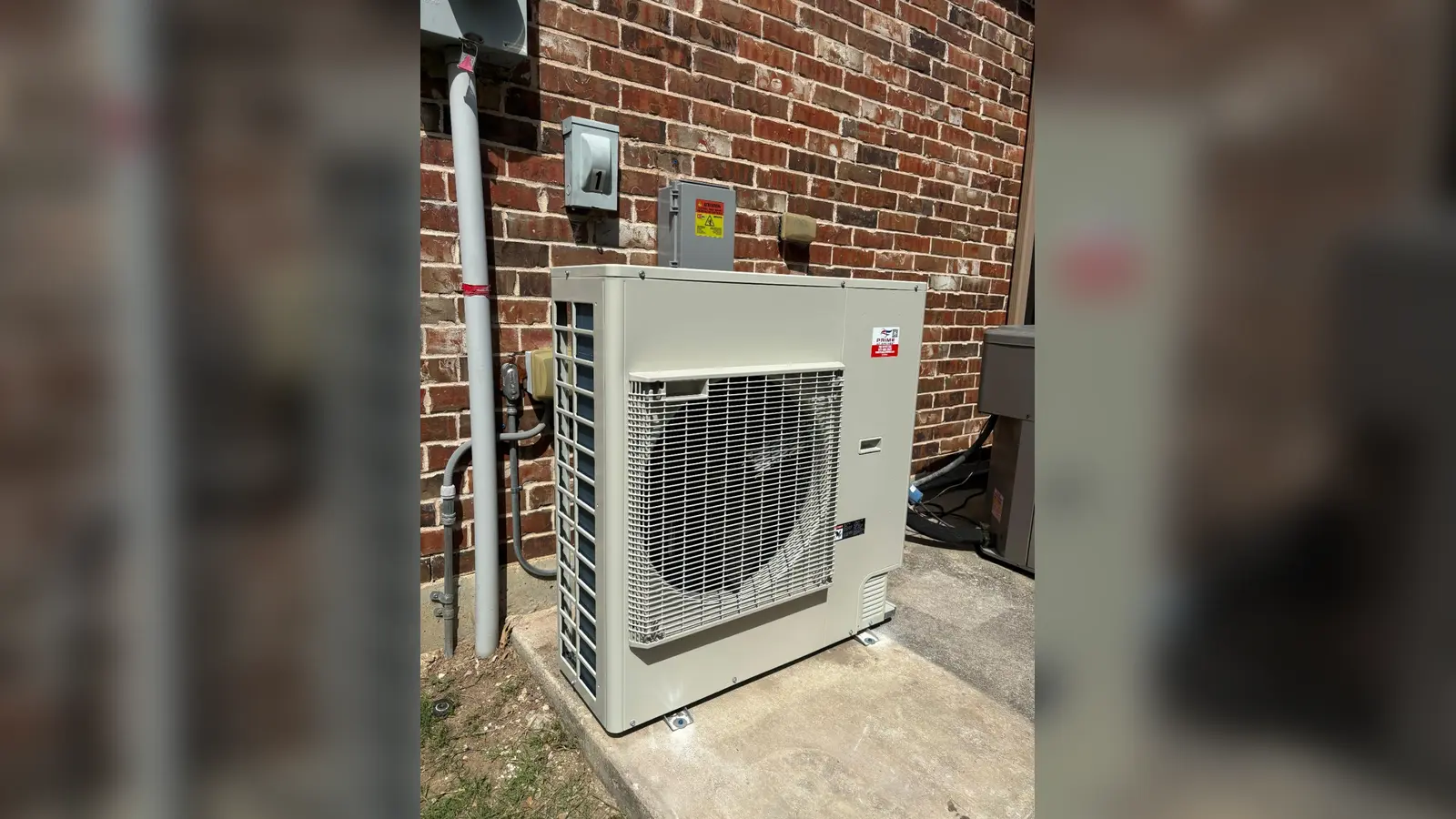
North Texas can stay warm well into fall, then deliver a cooler morning with little warning. The safest time to learn whether the heating side of your home-comfort system starts normally is before the house is already uncomfortable. A brief, planned first test can give you useful observations without turning a homeowner check into equipment work.
The goal is simple: confirm the thermostat request is clear, watch one normal start, and know which warning signs mean you should stop. Do not remove equipment panels, bypass a safety control, or attempt electrical, gas, combustion, refrigerant or internal furnace work.
Check safety basics before the thermostat
Confirm that the path around the indoor equipment is clear and that nothing has been placed against a return grille, supply register, furnace, air handler or outdoor unit. Use only a filter location that is safely intended for homeowner access. If the filter is visibly dirty, replace it with the correct size and orientation described by the equipment or filter instructions.
Make sure the home has working carbon-monoxide alarms in the locations recommended by current safety guidance. The U.S. Consumer Product Safety Commission recommends an alarm on every level and outside sleeping areas. A carbon-monoxide alarm is an emergency warning, not an HVAC diagnostic: get outside and call 911 if an alarm sounds or anyone has possible exposure symptoms. CPSC carbon-monoxide safety guidance — checked October 12, 2026
Make one clear thermostat request
Use the thermostat controls as designed. Set the fan to Auto unless the system instructions say otherwise, select Heat, and choose a setpoint a few degrees above the displayed indoor temperature. Then allow the system time to respond.
Avoid repeatedly switching between Heat and Cool or rapidly raising and lowering the setpoint. Repeated changes make the operating pattern harder to interpret and can interrupt normal control delays. If the thermostat shows a message you do not recognize, record the exact wording rather than guessing what it means.
Observe from a safe, accessible position
You do not need to open the furnace or air handler. Note the time, thermostat mode, setpoint, displayed indoor temperature, and whether air begins moving from the registers. Check more than one room so you can describe whether the pattern affects the whole home or only one area.
Pay attention to what happens over the next several minutes:
- Does the system start once and continue operating steadily?
- Does the displayed indoor temperature begin moving toward the setpoint?
- Is airflow present at several registers?
- Does the system stop before the home warms, start and stop repeatedly, or display an alert?
- Is there smoke, sparking, a burning or electrical odor, or a repeated breaker trip?
Turn the system off at the thermostat and seek appropriate help for smoke, sparking, a persistent burning or electrical odor, or repeated breaker trips. Follow emergency instructions for fire or a carbon-monoxide alarm. Routine HVAC scheduling is not a substitute for emergency response.
Know whether to request maintenance or a diagnostic
A tune-up is planned care for a system that is operating. ENERGY STAR's professional maintenance checklist includes controls, electrical connections, condensate drainage and heating-specific checks that belong to a qualified technician. A homeowner filter check or successful thermostat test does not replace that work. ENERGY STAR maintenance checklist — checked October 12, 2026
The U.S. Environmental Protection Agency also recommends having fuel-burning appliances inspected annually by a trained professional. Leave combustion and venting checks to a qualified technician. EPA carbon-monoxide indoor-air guidance — checked October 12, 2026
If the heat will not start, stops unexpectedly, cannot move the home toward the setpoint, trips a breaker, or produces a continuing unusual sound or odor, describe the symptoms and request a heating diagnostic instead of booking only routine maintenance. The distinction helps the office prepare for the condition you are actually reporting.
Give the office a useful first report
Write down:
- Thermostat mode, setpoint and displayed temperature.
- Approximate time and outdoor conditions.
- Whether the system started and how long it ran.
- Whether airflow was normal, weak or uneven.
- Any thermostat message, sound, odor, water or breaker issue.
- Filter condition and the last known replacement date.
Those observations are not a diagnosis. They simply give the service team a clearer starting point.
Prime AC & Heat serves owner-occupied single-family homes in Lewisville and across North DFW. If the system is working and you want seasonal care, review the fall and winter comfort guide and HVAC tune-up options. If the heat is not operating normally, request heating repair or contact Prime. Fall and winter comfort guide HVAC tune-up options Heating repair Contact Prime
For the earliest available opening, call (972) 400-3602. The office confirms eligibility and current availability. Call Prime AC & Heat
For advice about your current system or a new installation, contact Prime AC & Heat. Equipment requirements and program availability can change over time.